
"cupping acidity"
30000 article(s) found

Main points of coffee knowledge: CoE excellent cup coffee cup scoring standard is explained in detail
At present, the competition of fine beans in various countries adopts either CoE or SCAA mode, and up to 9 major coffee producing countries adopt Coe cup as the national competition mode. The following is the key description of the Coe Cup meter evaluation items and records, which can give you a basic basis when conducting a cup test, as well as an auxiliary reference when testing a single item: Aroma is the first evaluation at the beginning of the cup test.

What is a cup test? Introduction to cup testing learning
Coffee cup test, English called coffee cupping, also known as coffee tasting. Popular saying is to use a special brewing method to taste coffee. When testing a cup of coffee, we should distinguish whether the flavor, alcohol thickness, acidity and wet aroma of the coffee are pleasant. Most cup tasters use the following criteria to judge coffee. While tasting the coffee, you should

The taste of boutique coffee is the sour coffee good?
Many people don't like to drink coffee that is too sour, but I think acidity is the most meaningful taste in coffee. The acidity in coffee is mainly determined by the characteristics of raw beans and the degree of roasting. For example, the acidity of African beans is bright and light, and there is no other taste in a cup of coffee except bitter and sour, then this cup of coffee must be very bad, and a good cup of coffee must be based on rich.

How to "drink" a cup of boutique coffee from the basic to taste a cup of boutique coffee to make a coffee?
How to taste a cup of coffee correctly first of all, we must understand the basic taste of coffee: acid: there must be! Fruit acid can make coffee lively, light and rich. But what we hope to drink is the acid of fruit, such as the acid of apples, lemons and peaches. What I don't want is vinegar-like acidity. Sweet: the sweetness in coffee is not the sweetness of sugar.
Coe Cup Meter Osher Chinese version description
The cup testing system introduced by BGT and Osher Coffee Alumni Association in the past two years all use the CoE competition mode. At present, the fine bean competition in various countries uses either CoE or SCAA mode, up to 9 major coffee producing countries all use the Coe cup as the national competition mode, so we decided to promote the CoE cup testing system in Taiwan. The purpose of BGT is to let barista [know boutique coffee] and use his essence.
Identification of the quality of coffee beans: a detailed introduction of coffee cup testing terms
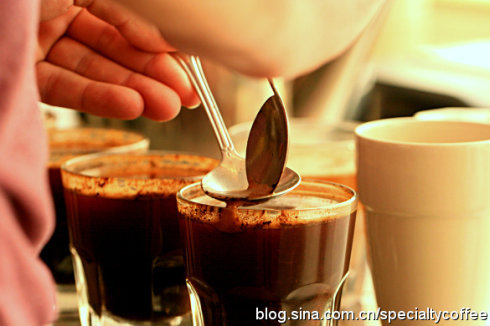
When testing a cup of coffee, we should distinguish whether the flavor, alcohol thickness, acidity and wet aroma of the coffee are pleasant. Most cup tasters use the following criteria to judge coffee. While tasting the coffee, you should try to discern whether the flavor, body, acidity and aroma of the coffee is pleasant, or unplea

Basic chemical reactions that occur during coffee roasting
Many thermal and chemical reactions take place during baking: decarbonation, dehydration of quinic acid, fragmentation, isomerization, polymerization, and complex sugar reactions (caramelization). The main thermally reactive components are monosaccharides and sucrose, chlorogenic acid, displaced amino acids, and trigonelline amide. Both aravinone and calactose in polysaccharides are transferred, and basic sulfurization contains hydroxyamino acids.
The final of the 2016 World Coffee Cup Test Competition in China starts in Yangcheng in December.
What is a coffee cup test? The editor will tell you that the quality of coffee is judged by the sense of taste, which is called the coffee cup test, and the appraiser is called the appraiser. The method is to pour 10 grams of coffee powder into a warm coffee cup, then pour 100C boiling water into the cup, stir thoroughly with a spoon, let the powder precipitate, and then remove the foam from the surface. First,

How do you measure coffee cups? Coffee cup test method tutorial that can be done at home
Professional coffee knowledge exchange More coffee bean information Please pay attention to coffee workshop (Weixin Official Accounts cafe_style) Why is the coffee grinding standard measured by cup so important? How much is the standard cup grind? Who determines the flavor of coffee on the market? Coffee lovers, can you smell the origin of this coffee? Following the steps of the cup test in the previous article, today we will introduce the scoring items of the cup test.
Introduction about SCAA coffee cup tasting expert Q GRADER
Now South Koreans have accounted for 1x4 of the more than 1000 Q GRADER in the world. I hope more friends can pass smoothly. First, about the examination item Q GRADER belongs to an examination, the explanation part is relatively few. At present, the examination time is 5 days, with a total of 22 items. Including 1 written coffee test, 3 taste threshold tests, 4 smell bottle smell tests and 5 triangle cup tests
Boutique Coffee knowledge Base Coe Cup Meter Osher Chinese version description
The cup testing system introduced by BGT and Osher Coffee Alumni Association in the past two years all use the CoE competition mode. At present, the fine bean competition in various countries uses either CoE or SCAA mode, up to 9 major coffee producing countries all use the Coe cup as the national competition mode, so we decided to promote the CoE cup testing system in Taiwan. The purpose of BGT is to let barista [know boutique coffee] and use his essence.
The basic chemical reaction of coffee roasting process
Many thermal and chemical reactions take place during baking: decarbonation, dehydration of quinic acid, subdivision, isomerization, polymerization, and complex sugar reactions (caramelization). The main components of the thermal reaction are monosaccharides and sucrose, chlorogenic acid, free amino acids, and fenugreek amide. Both aravinose and calactose in the polysaccharides are transferred, and the basic vulcanization contains hydroxylated amino acid.
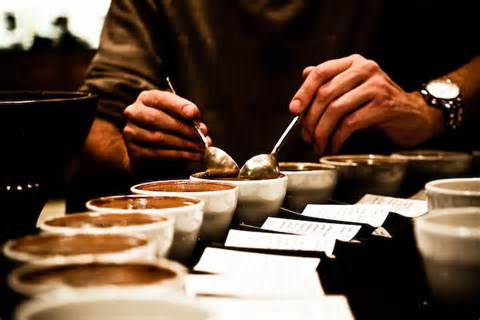
CoE coffee cup scoring standard international standard scoring table for testing the quality of coffee beans
At present, the competition of fine beans in various countries adopts either CoE or SCAA mode, and up to 9 major coffee producing countries adopt Coe cup as the national competition mode. The following is the key description of the Coe Cup meter evaluation items and records, which can give you a basic basis when conducting a cup test, as well as an auxiliary reference when testing a single item: Aroma is the first evaluation at the beginning of the cup test.
What is the correct coffee cup test process? what are the rules and rules?
Professional coffee knowledge exchange more coffee bean information Please follow the coffee workshop (Wechat official account cafe_style) before the coffee beans are sent to all parts of the world, the coffee farmers' association or the refining factory will first carry out the cup test, that is, try to confirm the aroma and taste of the beans, judge the flavor and taste of the coffee by the cup test, and identify the quality of a kind of coffee.
Coe cup meter European Chinese version explains what COE SCAA the Coffee Association has
The cup testing system introduced by BGT and Osher Coffee Alumni Association in the past two years all use the CoE competition mode. At present, the fine bean competition in various countries uses either CoE or SCAA mode, up to 9 major coffee producing countries all use the Coe cup as the national competition mode, so we decided to promote the CoE cup testing system in Taiwan. The purpose of BGT is to let barista [know boutique coffee] and use his essence.

Coe Cup meter evaluation items and record key points as well as evaluation instructions
Following Cafe Review (official Wechat account vdailycom) found that Beautiful Cafe opened a small shop of its own. At present, national boutique bean competitions either adopt CoE or SCAA mode, with up to nine major coffee producing countries adopting Coe Cup as national competition mode. The following is the key description of the items and records of the Coe Cup meter evaluation, which can provide you with a basic basis for the cup test.
The basic chemical reaction that takes place during coffee roasting.
Many thermal and chemical reactions take place during baking: decarbonation, dehydration of quinic acid, subdivision, isomerization, polymerization, and complex sugar reactions (caramelization). The main components of the thermal reaction are monosaccharides and sucrose, chlorogenic acid, free amino acids, and fenugreek amide. Both aravinose and calactose in the polysaccharides are transferred, and the basic vulcanization process includes hydroxylamine.

The basic chemical reactions that take place during coffee roasting
Many thermal and chemical reactions take place during baking: decarbonation, dehydration of quinic acid, subdivision, isomerization, polymerization, and complex sugar reactions (caramelization). The main components of the thermal reaction are monosaccharides and sucrose, chlorogenic acid, free amino acids, and fenugreek amide. Both aravinose and calactose in the polysaccharides are transferred, and the basic vulcanization process includes hydroxylamine.
How does the sour and bitter in coffee come from?
Many thermal and chemical reactions take place during baking: decarbonation, dehydration of quinic acid, subdivision, isomerization, polymerization, and complex sugar reactions (caramelization).
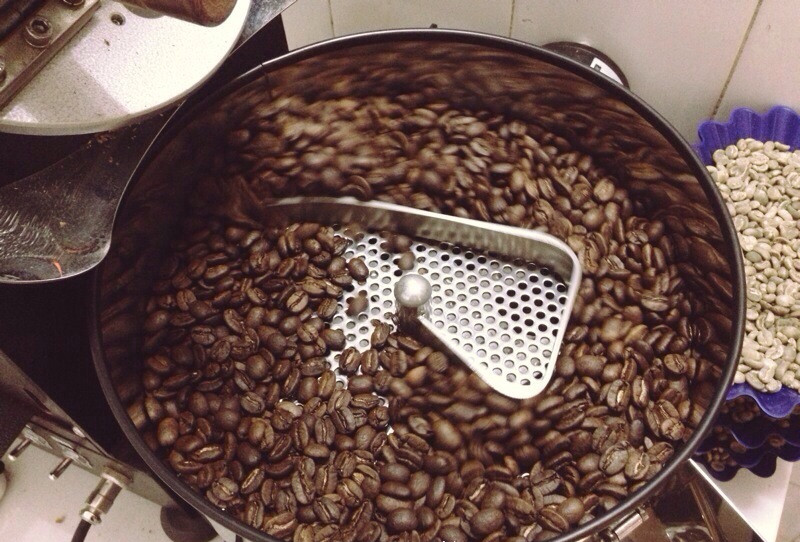
Basic chemical reactions of coffee beans during coffee roasting
Many thermal and chemical reactions take place during baking: decarbonation, dehydration of quinic acid, subdivision, isomerization, polymerization, and complex sugar reactions (caramelization). The main components of the thermal reaction are monosaccharides and sucrose, chlorogenic acid, free amino acids, and fenugreek amide. Both aravinose and calactose in the polysaccharides are transferred, and the basic vulcanization process includes hydroxylamine.